As You Fly Eagle Project
Audrie Mangel
P.O. Box 156 Towanda, Ks 67144
(316) 833-6792
audrie.mangel@gmail.com

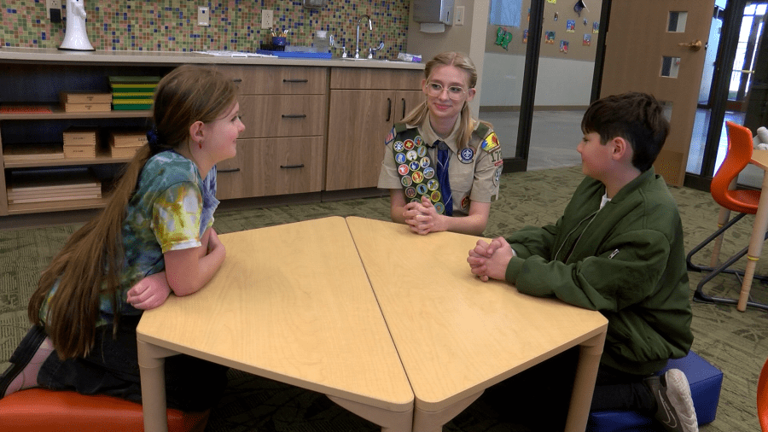
It all begins with an idea. I am Audrie Mangel. Being dyslexic poses challenges in reading and writing, but I've dedicated myself to achieving my Eagle rank. I have spearheaded the creation of an awareness book called "As You Fly" for my Eagle project. This book aims to educate people about dyslexia, providing valuable tools for everyone. The project is crucial as it sheds light on the lack of support for individuals with dyslexia in schools, addressing the widespread misunderstanding of the disability and offering assistance through "As You Fly."
As You Fly
As You Fly
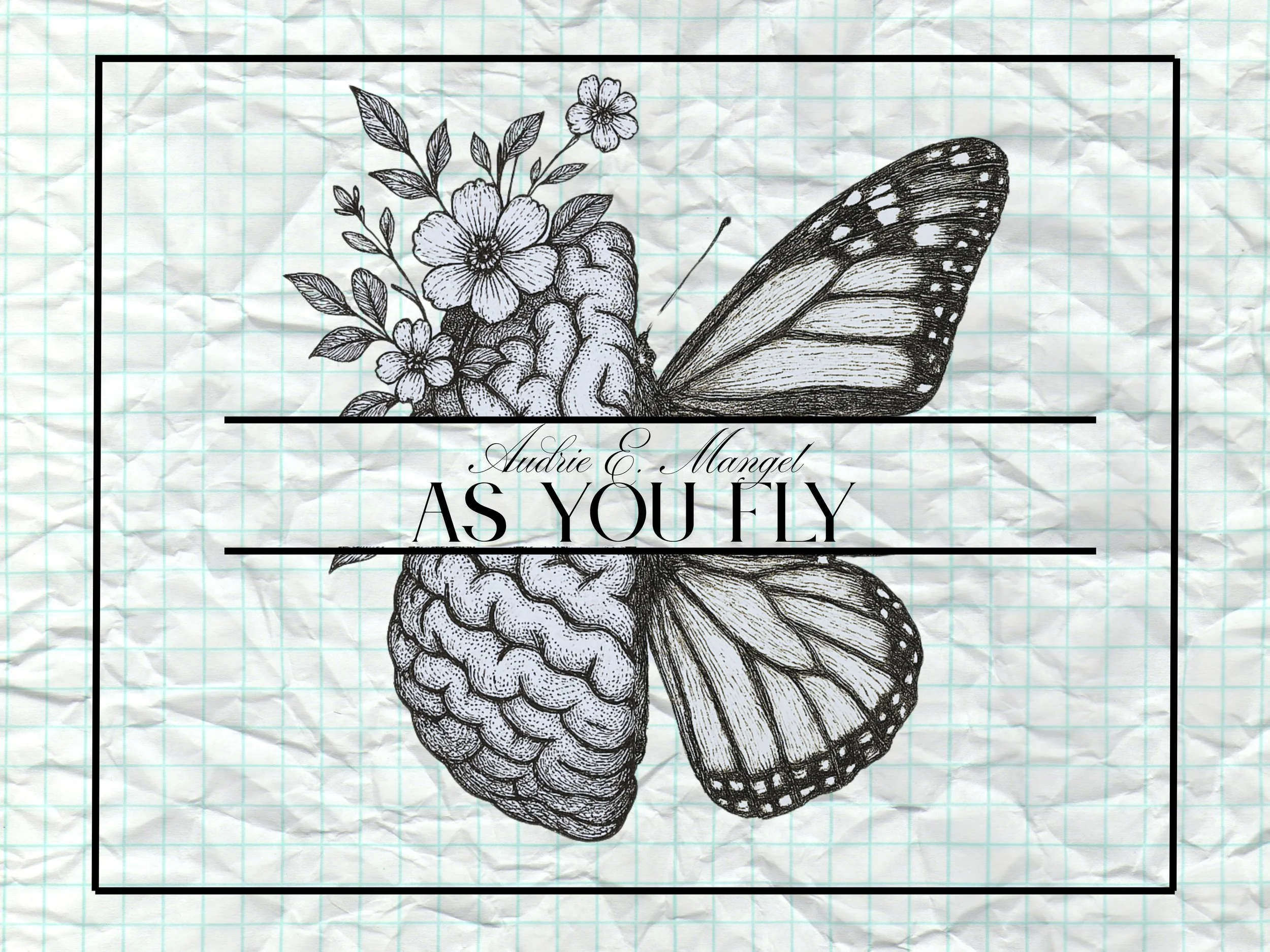
This book aims to raise awareness about dyslexia by sharing the stories of children and adults who have dealt with it. Readers of all ages can discover valuable insights within its pages. Buy your own copy today!
Watch my news interview!
Testimonials
-
![]()
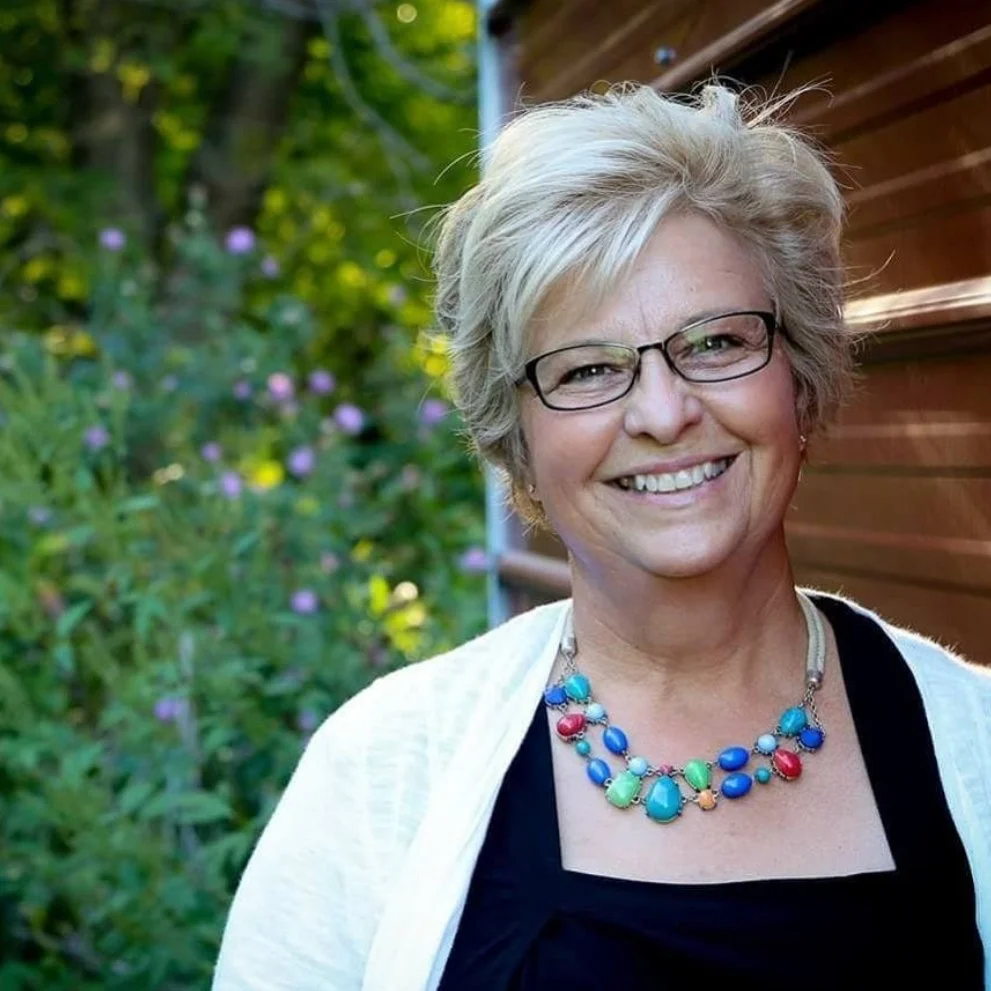
Sarah Collins
I've had the privilege of knowing Audrie Mangel for a decade now, witnessing her remarkable journey of growth and determination. Her latest endeavor, spearheading a book project on dyslexia in collaboration with current students and alums of Rolph Literacy Academy, reflects her unwavering commitment to making a difference. Audrie's book not only showcases the reflections and artwork of those affected by dyslexia but also provides invaluable resources and insights for individuals and families navigating this challenge. It's an honor to support Audrie and her impactful work, knowing her efforts will touch countless lives and empower those in need. Audrie's dedication and compassion shine through on every page, making her book a beacon of hope and understanding for all who seek it.
-
![]()
Jo Mead
It is unusual for a young person to have a vision of changing the world. But I have experienced this with Audrie Mangel. She is focused on using her life experience to assist the community to learn more about dyslexia and the ways to make accommodations of inclusion in schools, churches and homes. She is articulate in finding the way to educate others while encouraging a path of access by creating a desperately needed resource. Audrie has demonstrated initiative to develop meaningful planning for programs, used her leadership skills to guide a group to accomplish varied tasks as well as listen intently to conversations with children and adults. She has demonstrated the ability to augment a vision for the future and is making her own plans for achievement.
I encourage you to invest your time to discover for yourself the changes that are possible when listening and making space for all people to grow to their greatest potential.
-
![]()
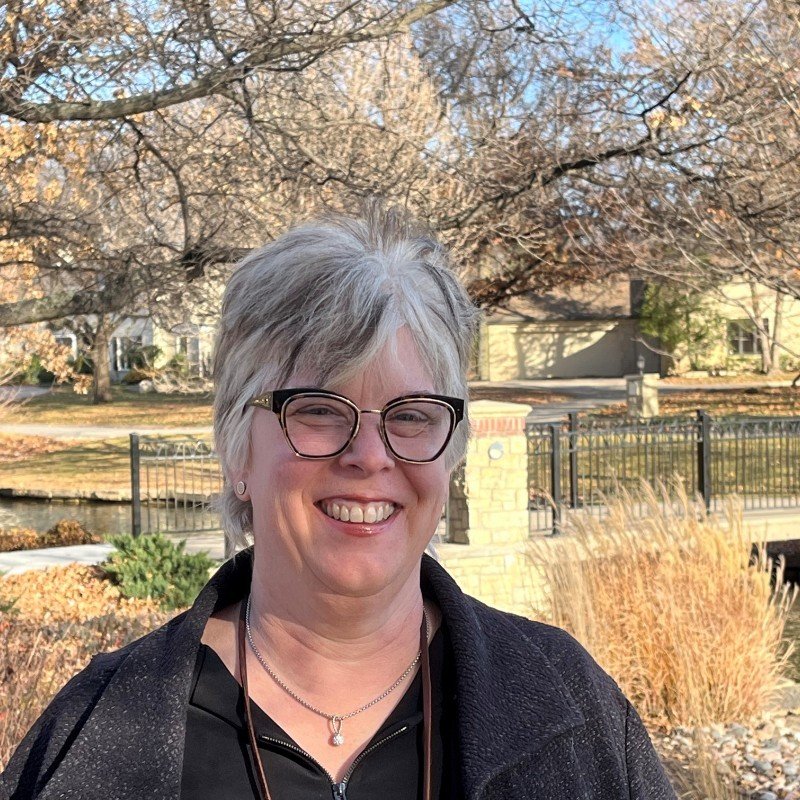
Nadine Voth
Audrie is a highly creative, intelligent, insightful individual who happens to be challenged by the code of our written language. Instead of letting this limit her, she has worked diligently to achieve educational success and develop ways to reach out and support other learners who face the same challenges. Audrie recognizes that this is no time to hide; it is a time to shine!
-
![]()
Sheila Oconnor
Audrie is a special light in this world. Her passion and energy around this project and helping others shines through. She has taken her differences and struggles and turned them into strengths and advocacy. I am excited about getting her books into the hands of students who need to hear her message.